Farm Friends Climb
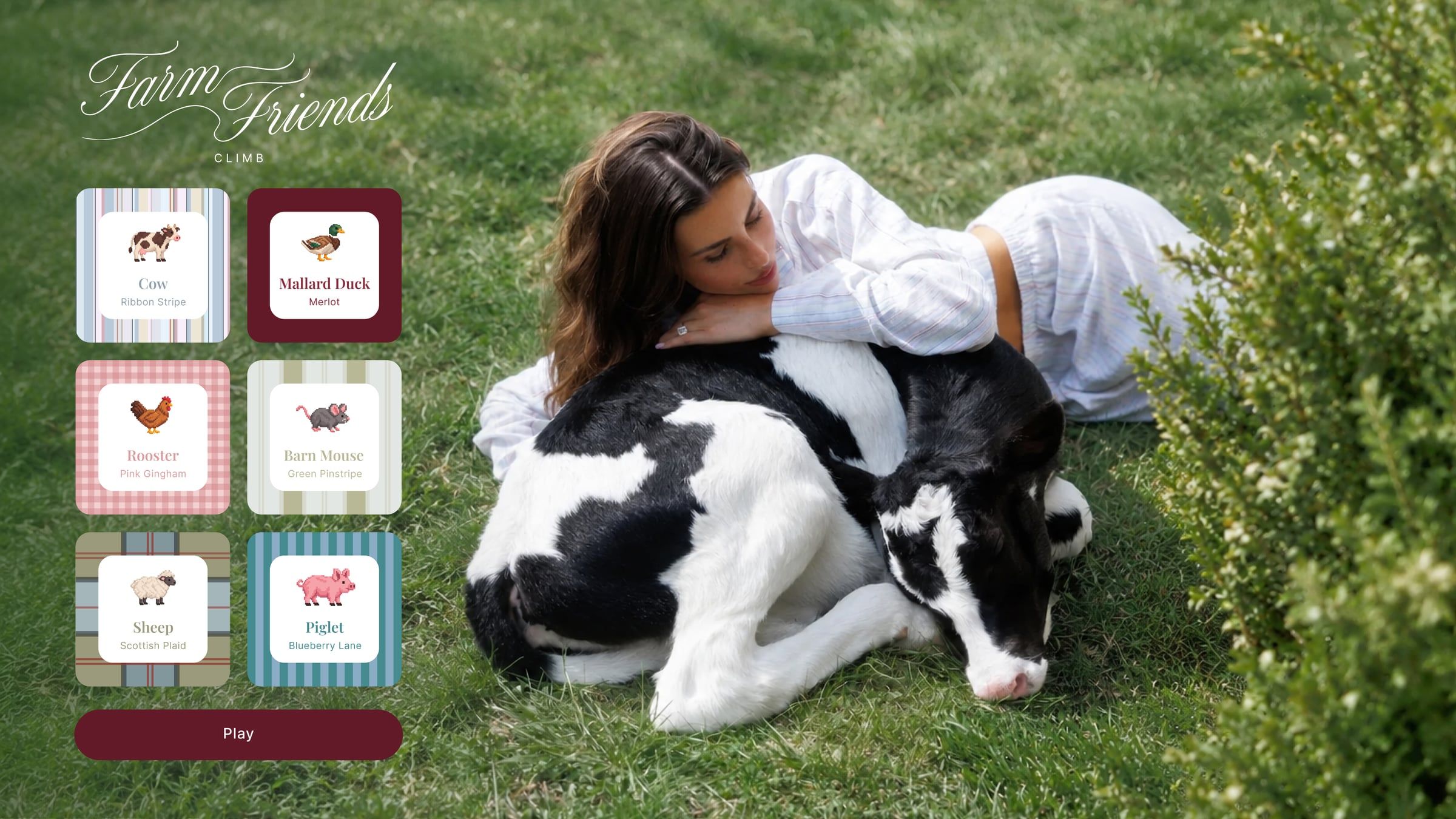
A speculative mobile game designed and prototyped as if it launched alongside a real product drop: from character concept to a working, tap-to-play build.
The Brief
For my IXD 432 class, I set out to prove something bigger than “I made a game”: that I could design and prototype a real marketing activation.
I chose Dairy Boy’s Farm Friends collection, a line of six embroidered animal characters, as the brand to design for, and built Farm Friends Climb as the campaign I’d pitch to launch it. Three deliverables make the case:
- 01
Figma design system
The foundation every screen and character is built on.
- 02
Working prototype
The proof of concept: a tap-to-play build.
- 03
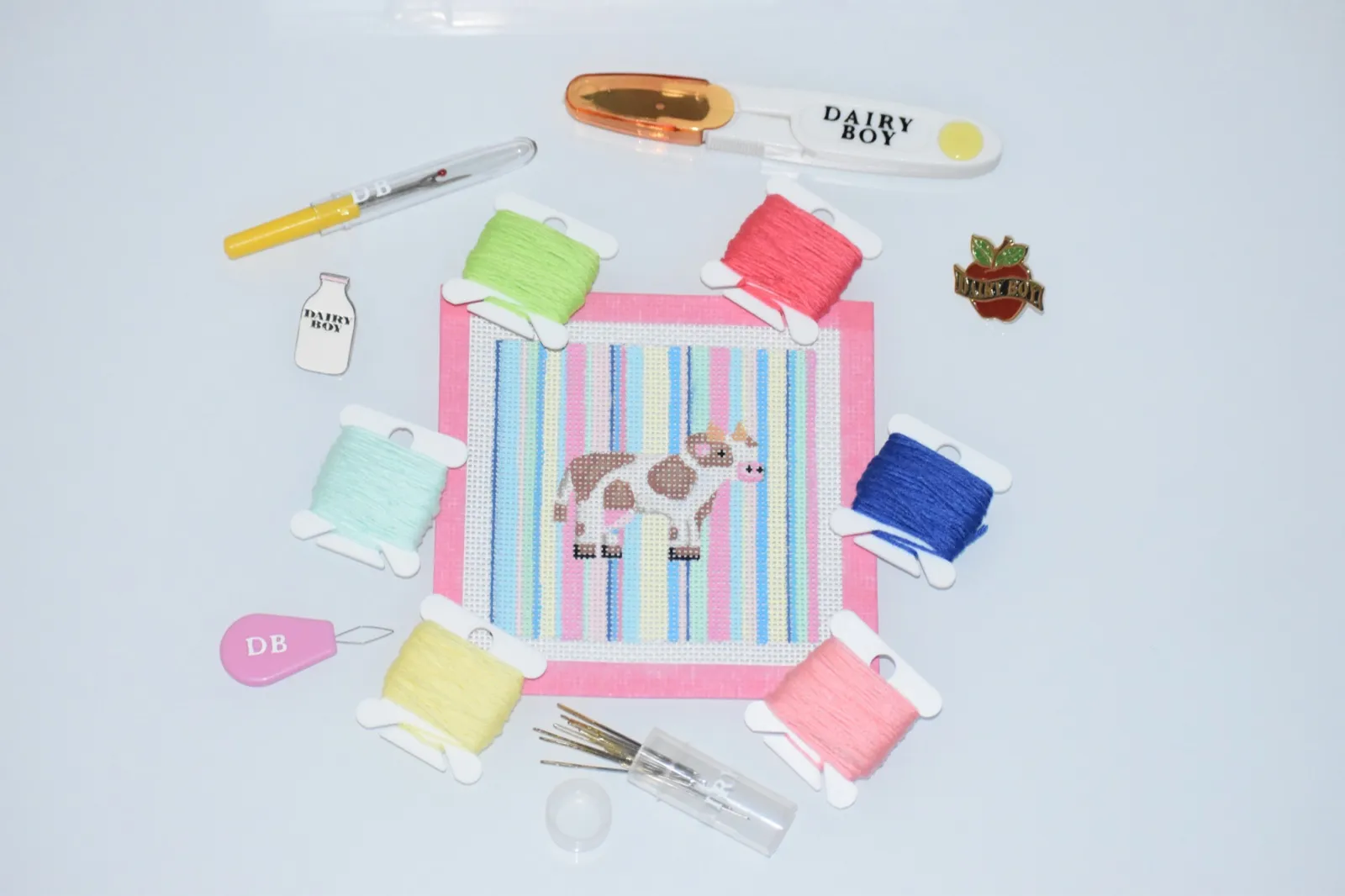
Collector's token
The tangible extension that makes the idea feel real.
 Static
 Moving
 Spring
 Breaks
 Gust


Process & Tools
I built the game using Claude Code connected to Figma through its Dev Mode MCP server, pulling real screen designs straight into the codebase instead of rebuilding them from static references. I worked in small, single-purpose prompts, one feature or fix at a time, so every change was easy to check:
- FigmaReal screen designs, read through the Dev Mode MCP server
- Claude CodeSmall, single-purpose prompts: one feature or fix at a time
- PreviewVisual changes checked before going live
- iPhone 16 ProReal-device testing for what a desktop preview misses
The Collection
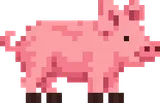
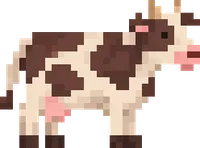
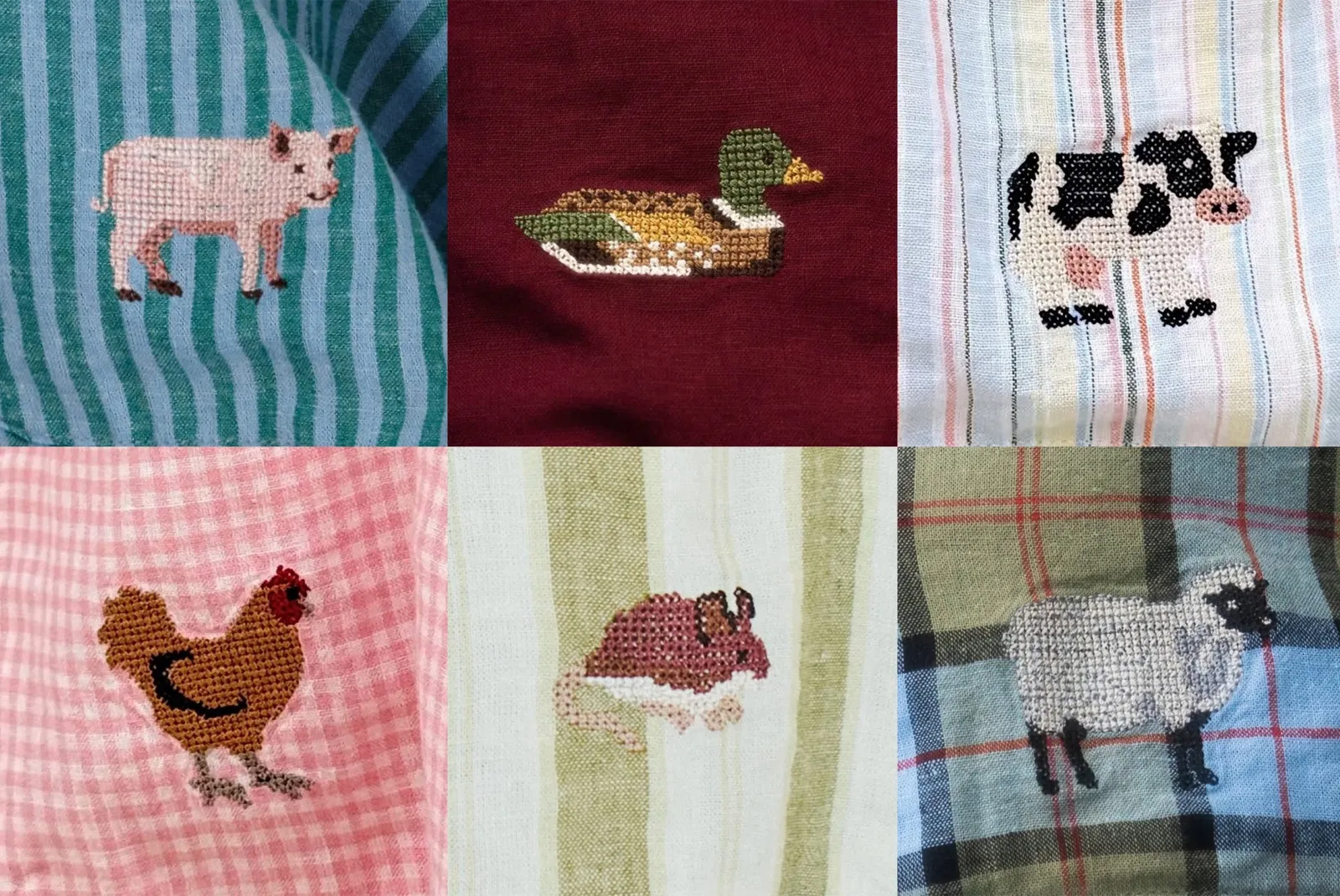
Dairy Boy’s Farm Friends collection is six pajama sets. Each one has a farm animal embroidered on the chest and its own print, from the Rooster in Pink Gingham to the Mallard in Merlot.
Every set is $128 in sizes XXS–XXL, and the Rooster is exclusive to the Dairy Boy app.
- Drop
- May 7, 2026
- Time
- 11 AM EST
- Where
- dairyboy.com & the DB app
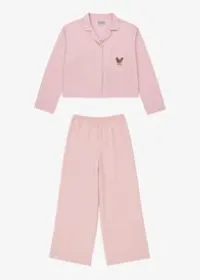
Rooster
in Pink Gingham
In-app exclusive
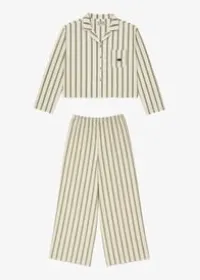
Barn Mouse
in Green Pinstripe
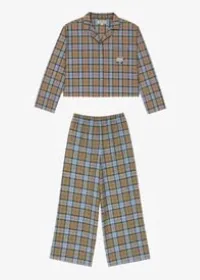
Sheep
in Scottish Plaid
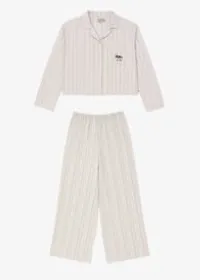
Cow
in Ribbon Stripe
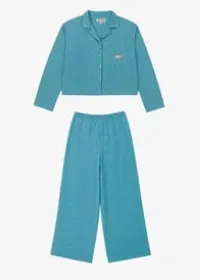
Piglet
in Blueberry Lane
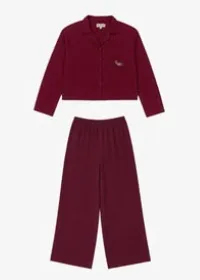
Mallard
in Merlot
From Pajamas to Pixels
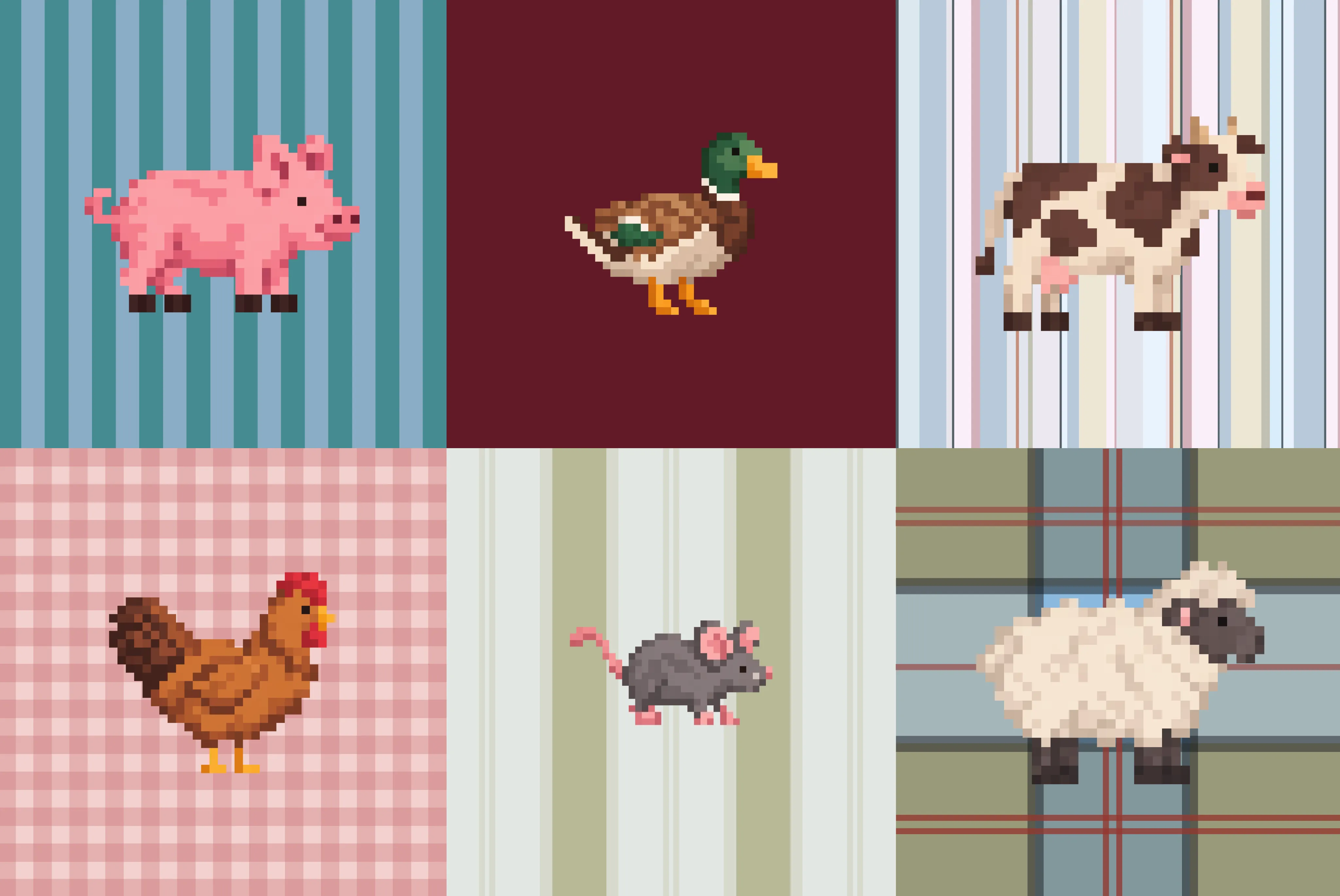
The Farm Friends pajamas already had what a game needs: a cast, a look and a palette. I wanted the game to feel like the pajamas come to life, so every design choice started from the fabric.
The Concept
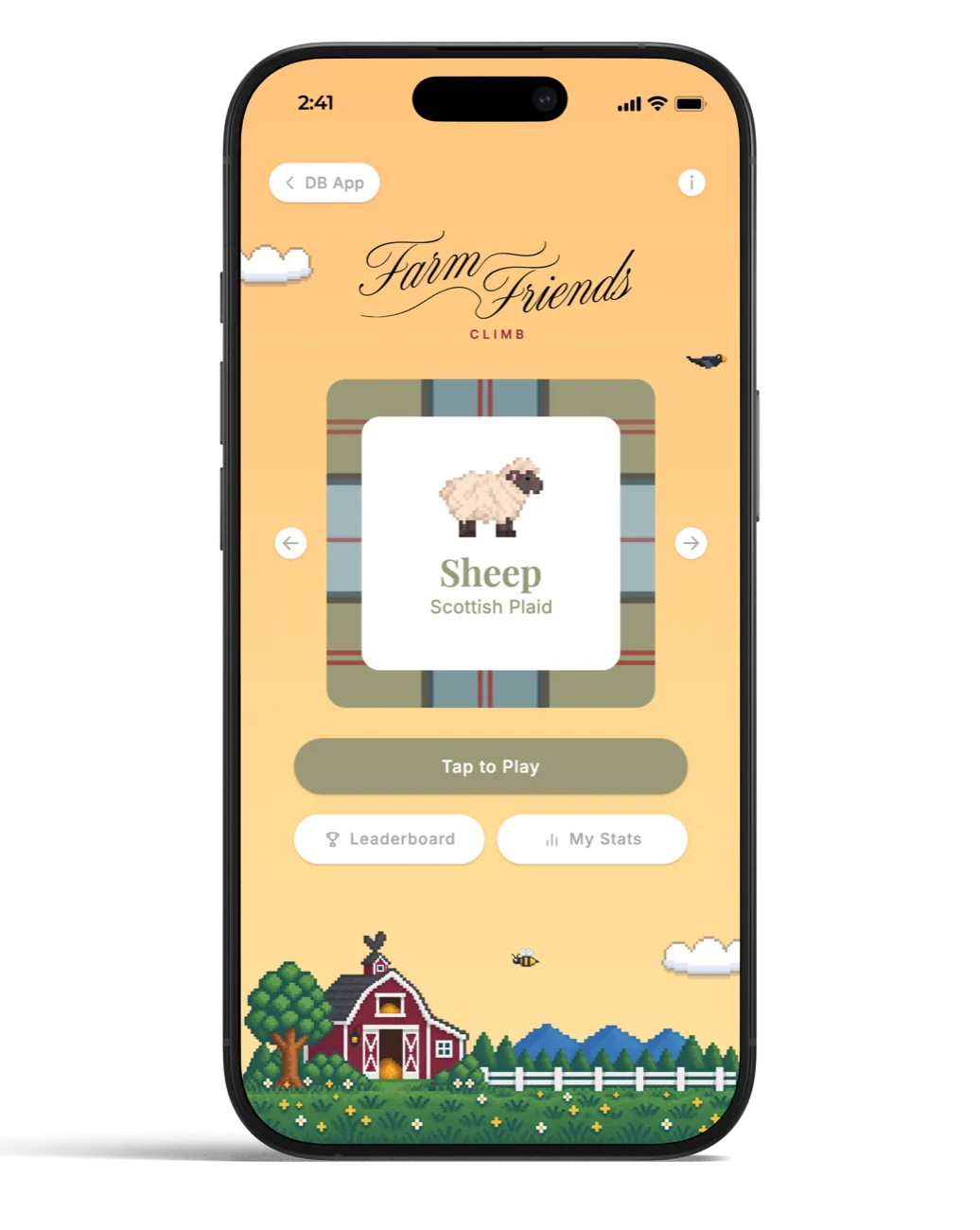
Farm Friends Climb is a tap-to-steer, auto-bounce climber styled after Jelly Jump. Players tap left or right to steer their character upward across cloud platforms, climbing as high as they can before missing a platform ends the run.
I chose this mechanic over a traditional platformer (too much scope risk for a four-week build) and a Crossy Road-style runner (too close to a game that already has its own farm-animal cast).
Tap controls, rather than tilt, meant the game also had to work reliably during laptop browser testing, not just on a phone. The result is a mechanic that’s one-handed, learnable in seconds, and fast enough to replay in short bursts: exactly what a marketing game needs to keep players coming back.
Built into the Dairy Boy App
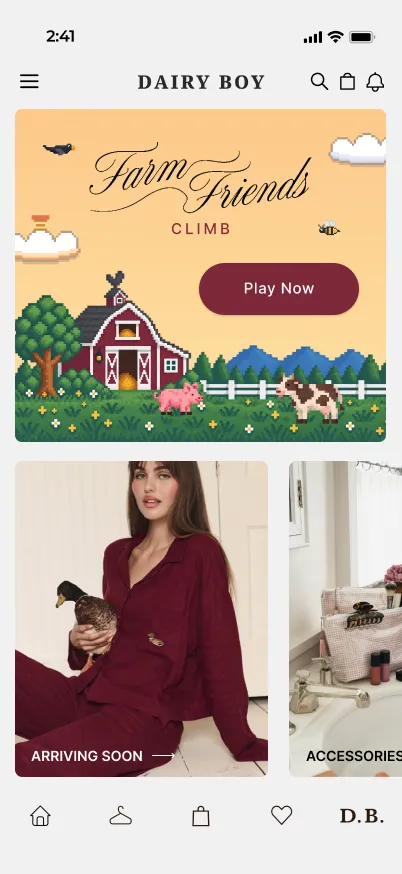
Farm Friends Climb isn’t a separate download. It lives inside the Dairy Boy app, where the people most likely to buy the collection already shop. A banner on the app’s home screen opens the game, and a DB App button takes players straight back to the shop.
Opens the app before the drop
Playing means downloading and opening the app, so players are already there, signed in, when the collection goes live.
Keeps the exclusive one tap away
The Rooster set is only sold in the app, and the game puts players right where it is.
Real shoppers on the leaderboard
Every score belongs to a signed-in account, so winners are easy to verify and prizes ship to the address on file.
The Leaderboard Strategy
In the week before the drop, players compete for the highest score. Only the top ten win a prize, and the best prize goes to just one player.
Urgency for the top spot = reason to keep playing
First place
- Needlepoint token
- PR box
1st2nd & 3rd place
- PR box
2–34th–10th place
- An item from the collection
4–10
The Collector’s Token
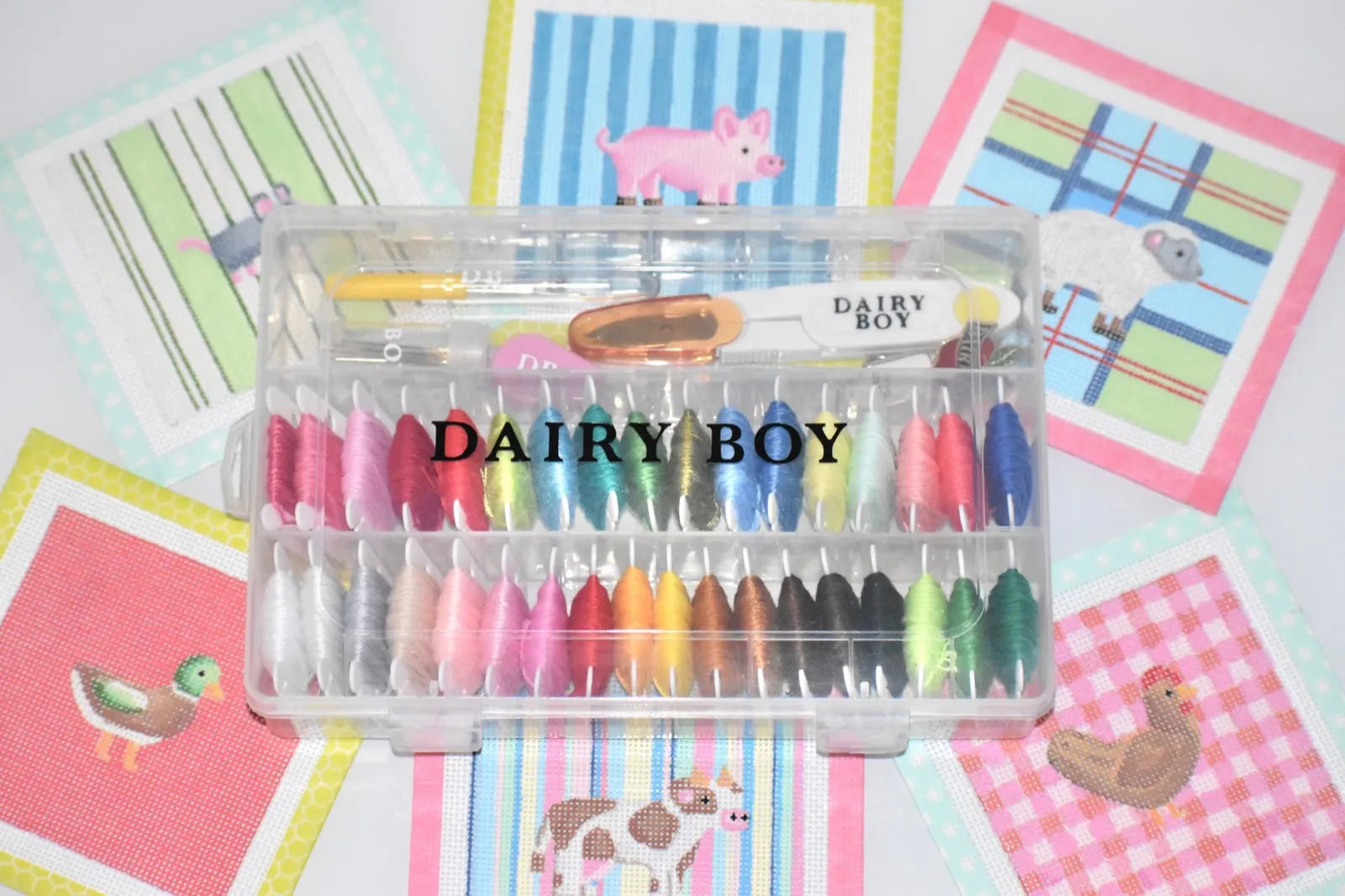
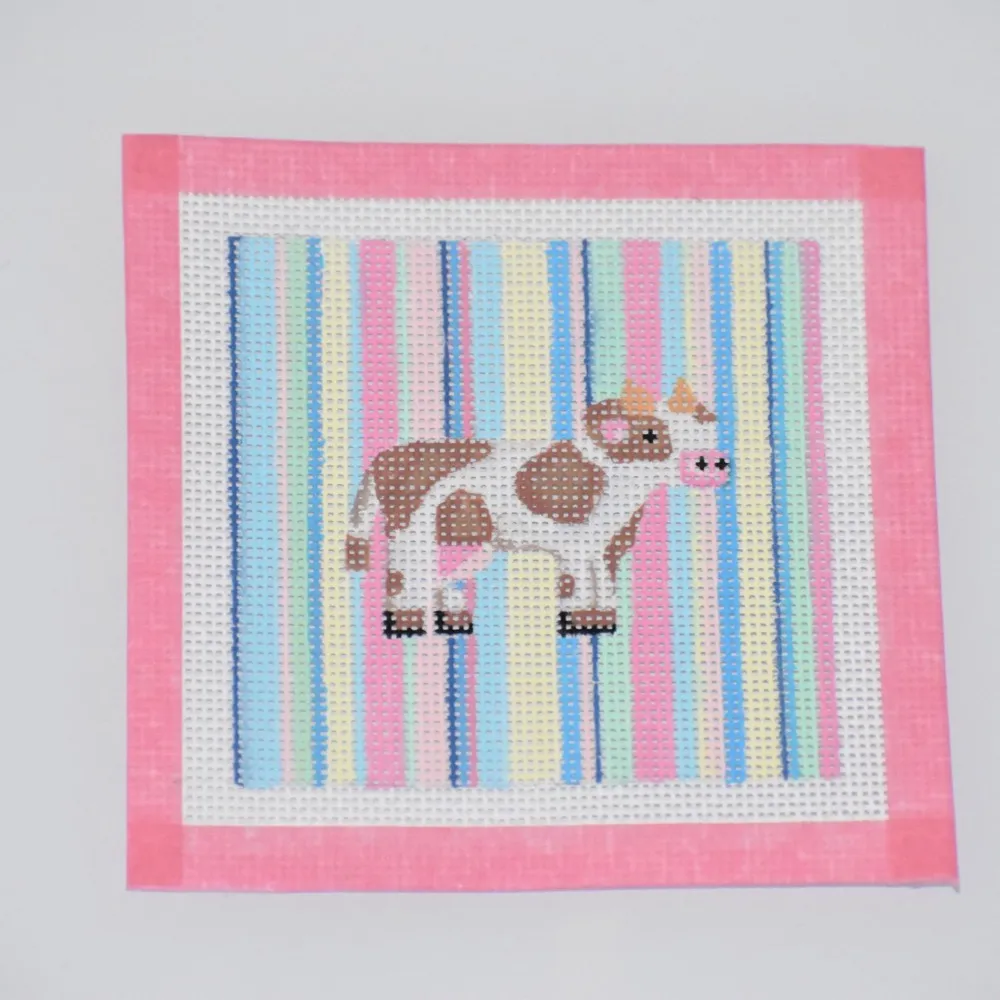
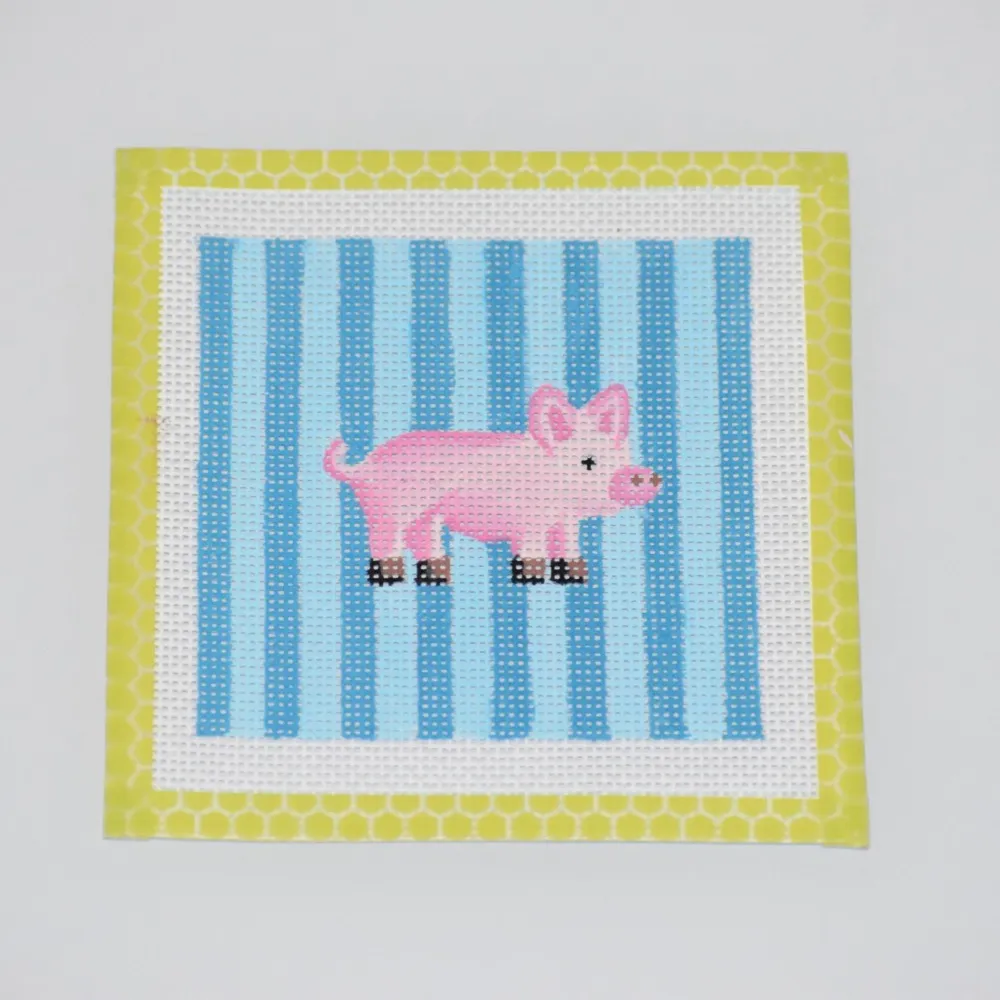
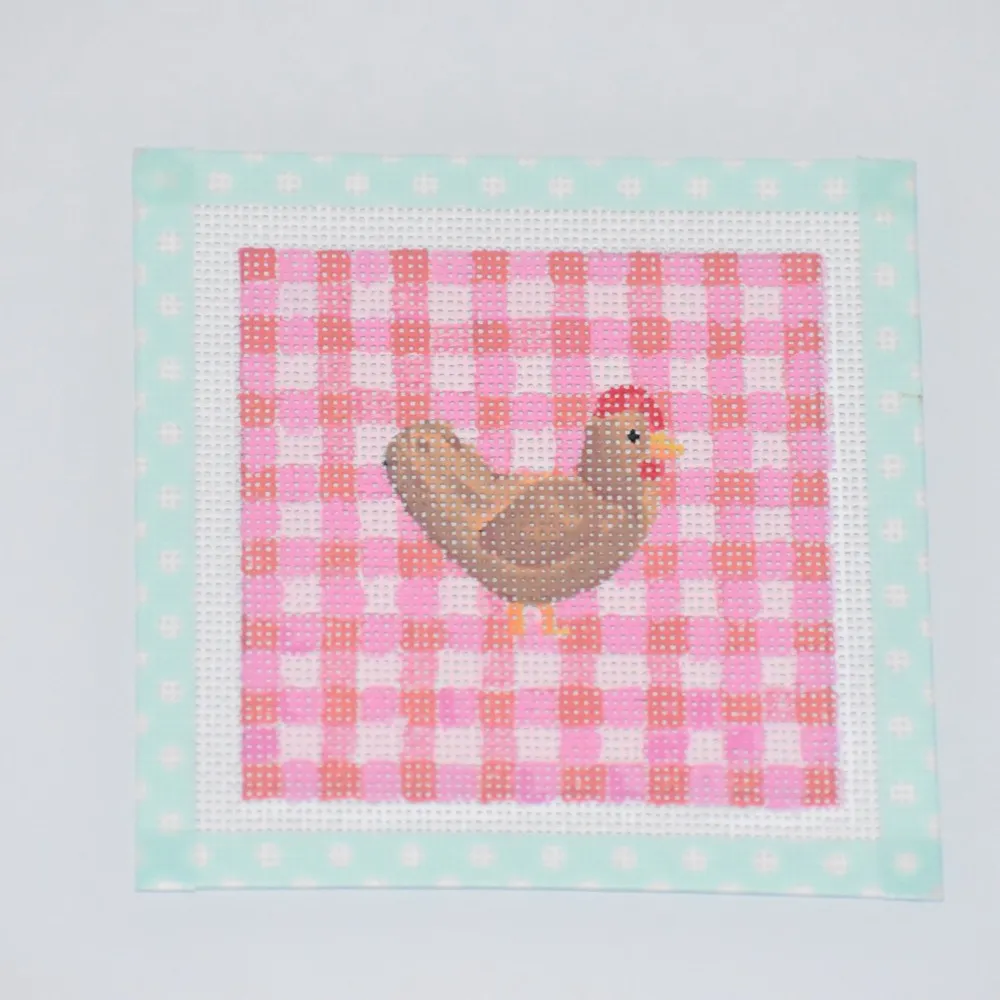
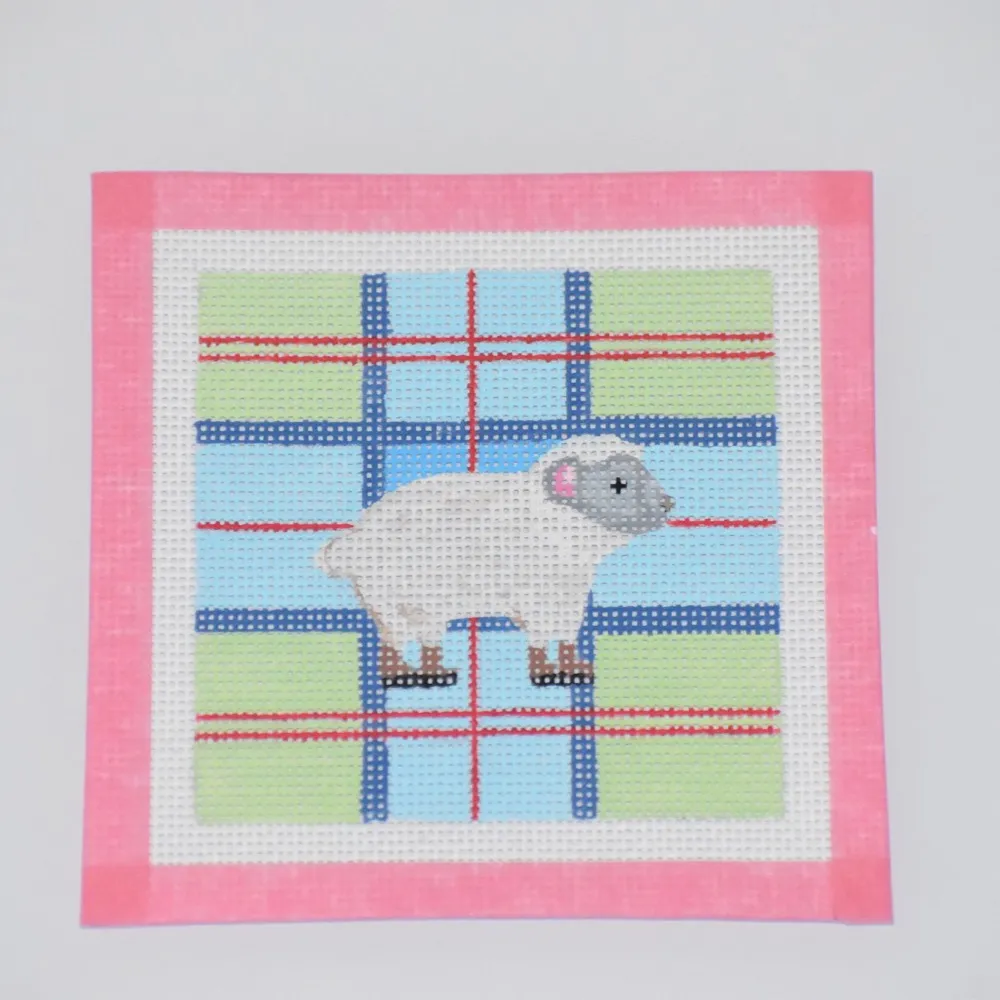
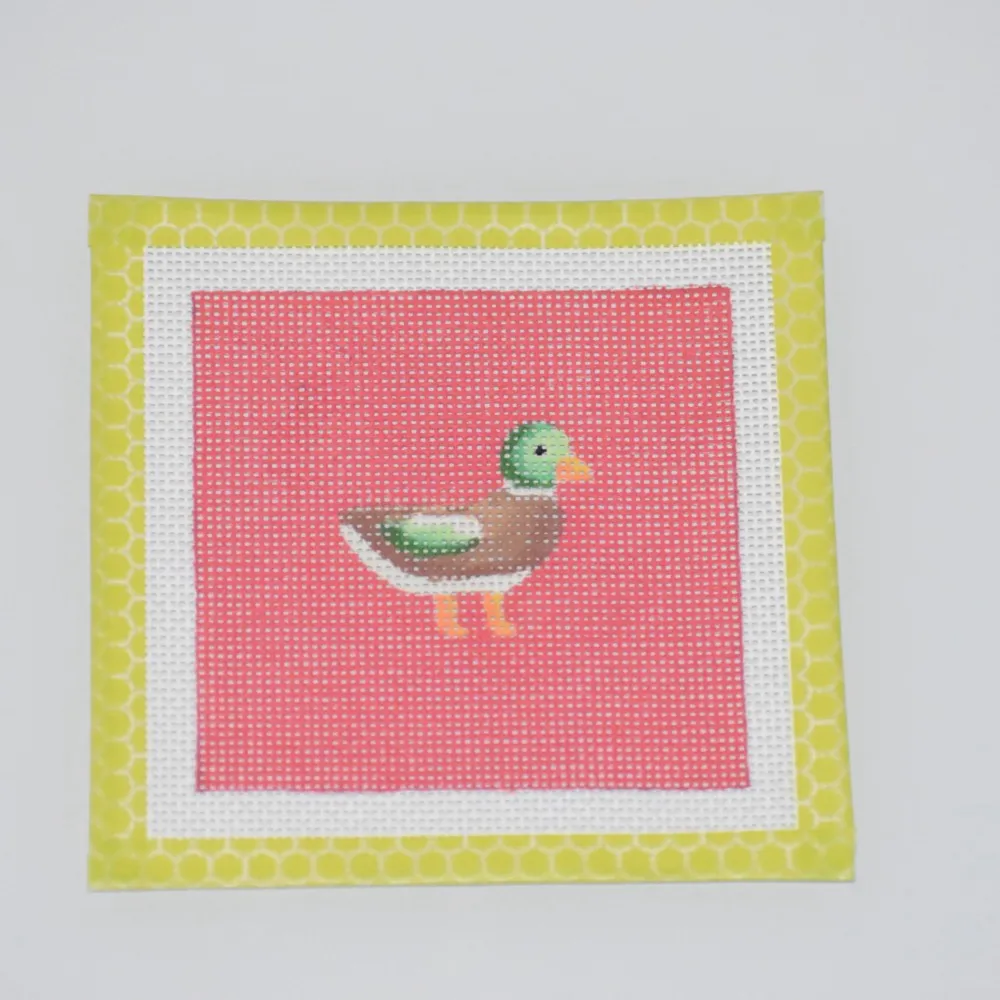
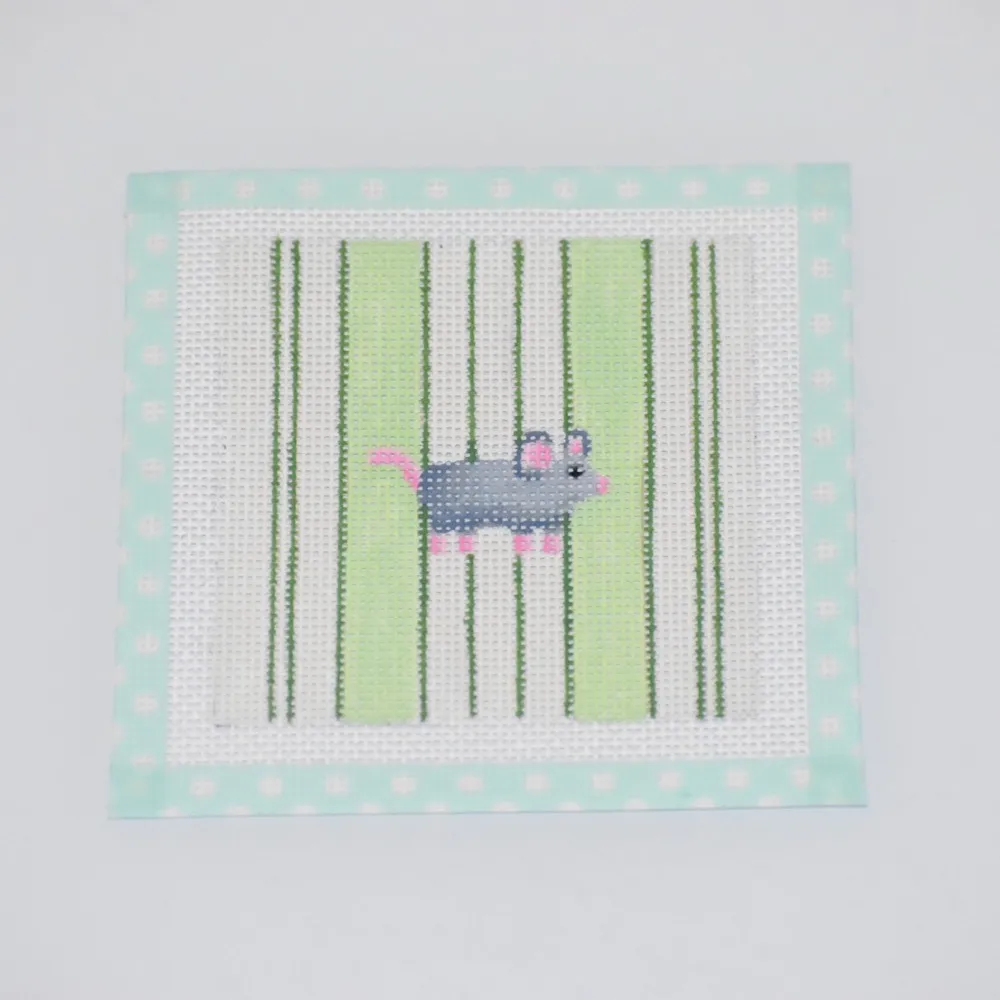
First place wins a one-of-one needlepoint token: their Farm Friend on its print, ready to stitch, with a Dairy Boy kit of threads and tools.
Each character has its own canvas, so the prize matches the animal the winner played.
Cow
Piglet
Rooster
Sheep
Mallard
Barn Mouse
UX research
System Map
Before designing screens, I mapped how the game moves between them: every screen and run state, and what sends the player from one to the next. Then I zoomed into the climb itself and listed the checks the game runs on every frame. The map became the plan for the build, so each state on it is a screen or a run state in the code.
Leaderboard · My Stats · How to Play
Side screens
- Back → Home
- Start
Home
Pick a character
- Tap to Play → Countdown
- Side screens ↔ Home
Countdown
3 · 2 · 1 · Go!
- “Go!” → Climbing
Climbing
Steering + scoring
- Fell past every cloud → Game Over
- Hit a crow, bee, owl or gust → Knocked off
- Pause button, P / Esc, or app hidden → Paused
Paused
Menu + How to Play
- Resume → Climbing
- Quit → Home
Knocked off
No steering, falling
- Falls off screen → Game Over
- End of run
Game Over
Run saved · best updated
- Play again → Countdown
- Home → Home
Inside “Climbing”: every frame, 120 times a second
New frame (1/120 s)
Read taps and holds
Left or right half of the screen steers; edges wrap
Apply gravity × tempo²
Tempo ramps from 0.75 to 1 as the sky turns to night
Falling onto a cloud?
If yes: Bounce up
Spring cloud: big launch · Wispy: breaks · Moving: keeps sliding
Move obstacles
Crows glide · bees flutter · owls glide · gusts curl
Touching an obstacle?
If yes: Knocked off
Cause recorded; steering stops and the friend falls
Camera follows upward
Score = highest point reached (10 px = 1 ft)
Below the bottom of the screen?
If yes: Game Over
Run, cause and character saved; new best saved if beaten
- No: next frame
From orange box to pixel art
01
Orange box
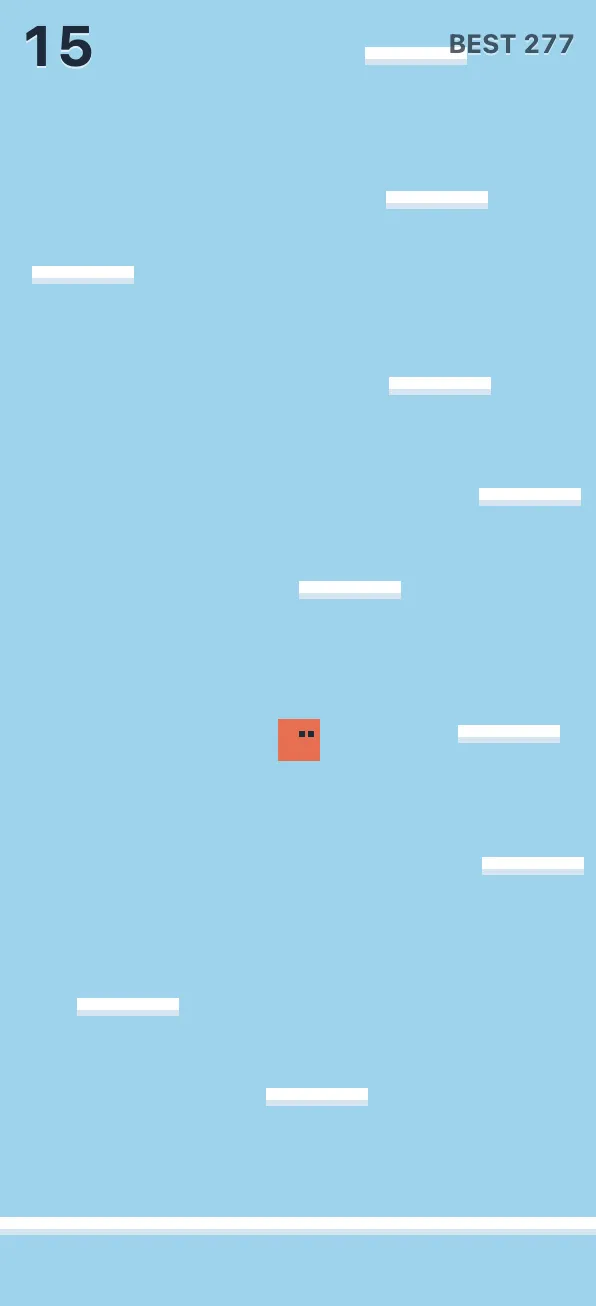
A square and flat platforms, just enough to prove the bounce, steering and score felt right.
02
First art pass
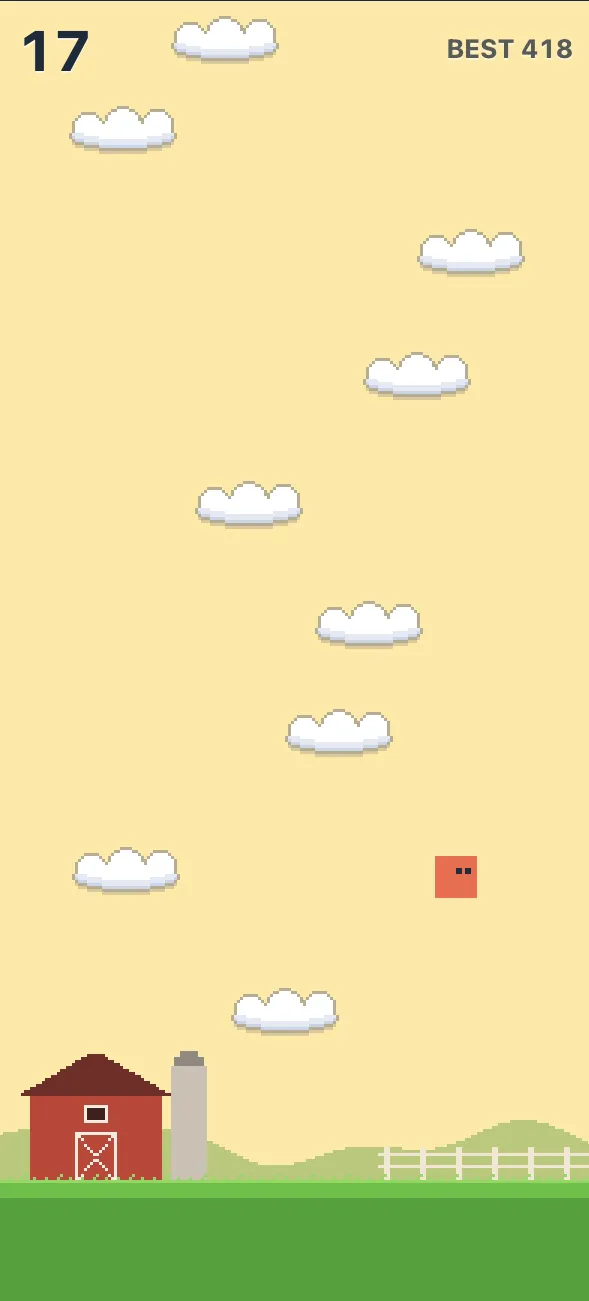
A sunset sky, clouds and a farm, with the placeholder square still standing in for the player.
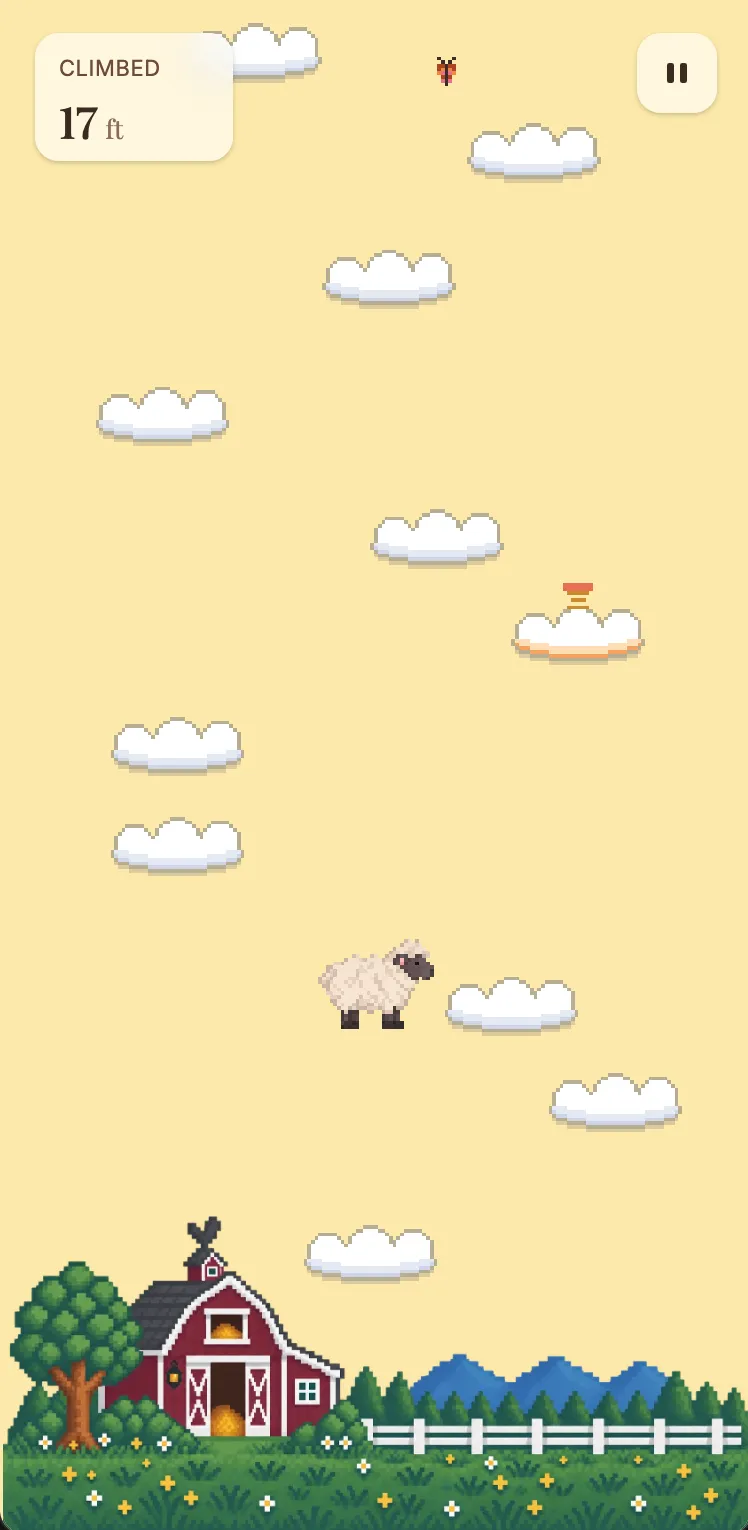
03
Final
Pixel-art Farm Friends, cloud variants and obstacles, and a score card in feet with a pause button.
Visual & Brand Design
The game uses detailed, soft-shaded pixel art rather than blocky 8-bit: 64×64px character sprites set against a sky that shifts through eight color stops, from a warm sunset gold to a deep night navy, as the player climbs higher. Bounce speed ramps up along the same arc, tying pacing directly to the visual progression.

 SunsetNight
- #FDE9AA0 ft
- #FFC98A80 ft
- #F3AFA0160 ft
- #CAA6B7240 ft
- #7683DC320 ft
- #3D4787400 ft
- #1D2559480 ft
- #091040560 ft
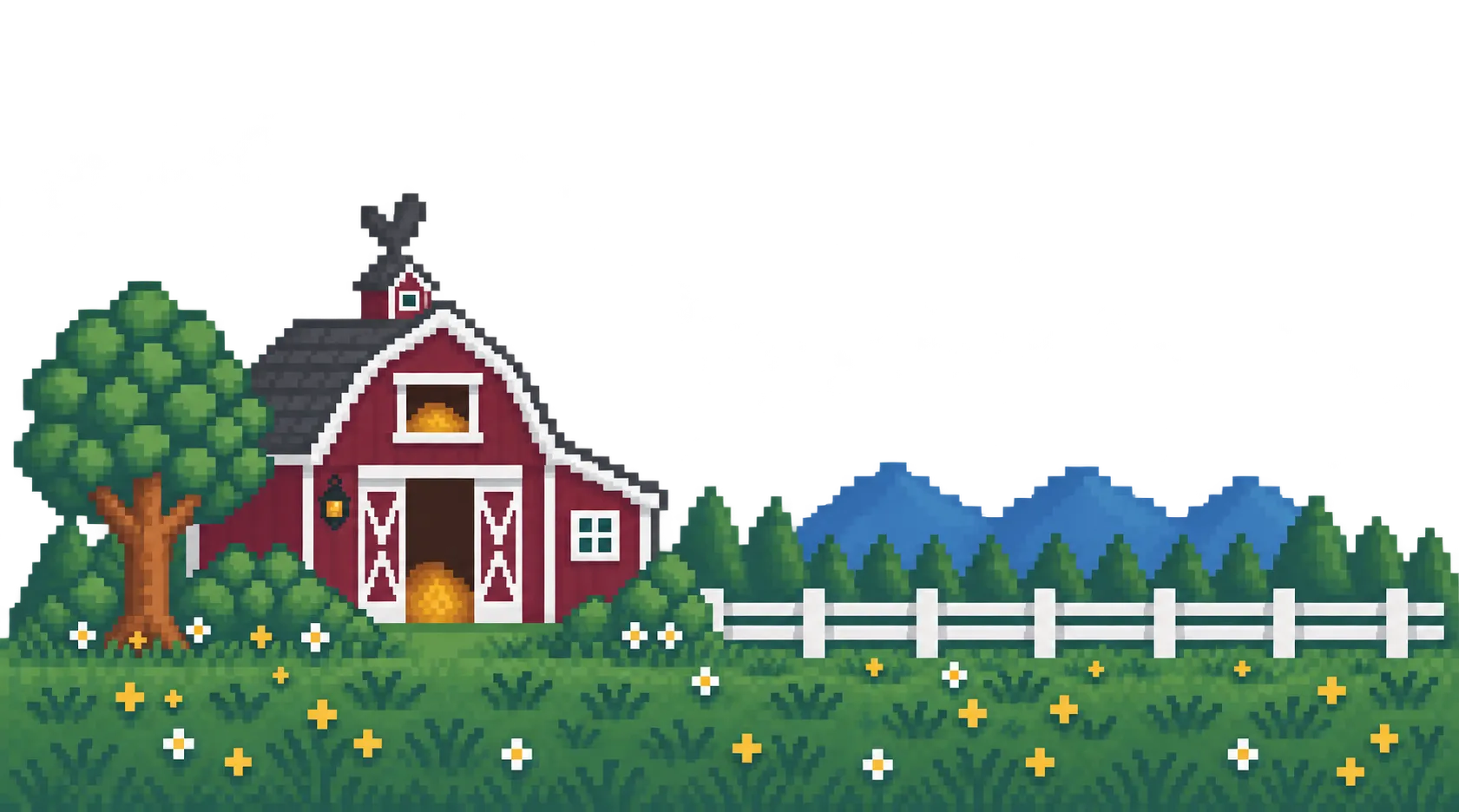
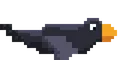
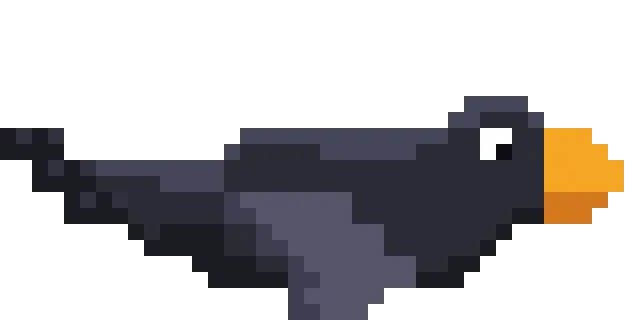
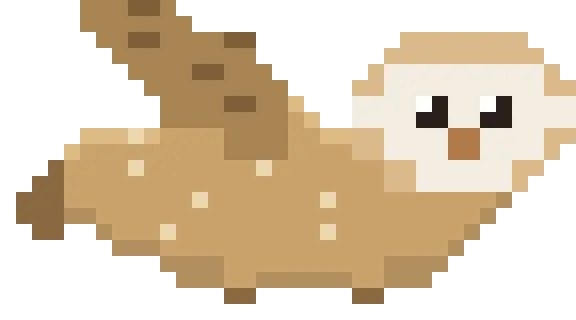
Each run starts on a static barn-and-grass scene before the climb begins. Cloud platforms come in four variants, and obstacles shift with the sky: a bee and a curling wind gust by day, birds as the sun sets, and an owl as night falls.

Static
Holds still: the steady footing every climb starts on.

Moving
Drifts sideways, so the landing has to be timed.

Breakable
Takes one bounce, then fades away.
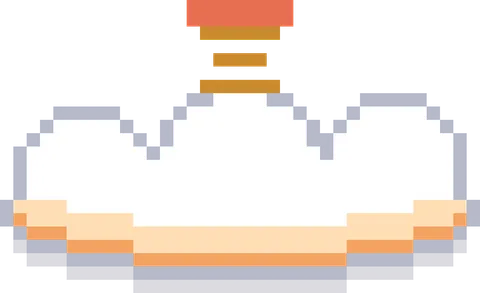
Spring
Launches about three times higher, with a particle burst.
User Testing
I had people play the prototype to check that the game read the way I designed it to: what to touch, what to avoid, and whether every screen felt like part of the same game.
- Finding 01
- Players read the butterfly as friendly, but it’s an obstacle: touching it knocks your Farm Friend off and ends the run.
- The change
- I replaced it with a bee. Its stinger and warning stripes say “avoid me” at a glance, so players don’t have to learn it the hard way.

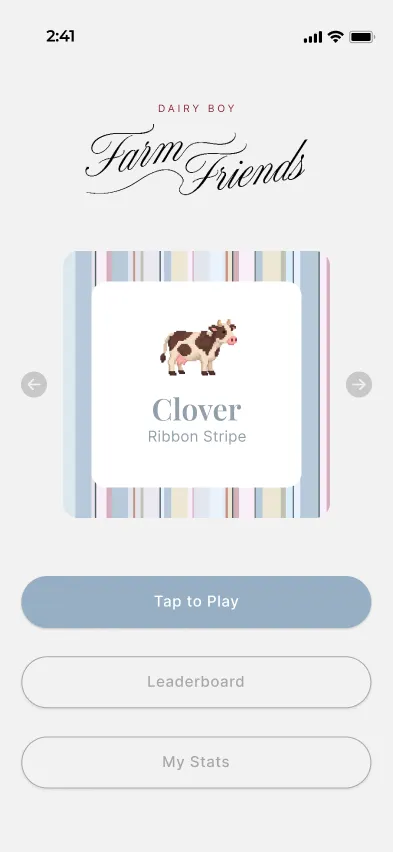
- Finding 02
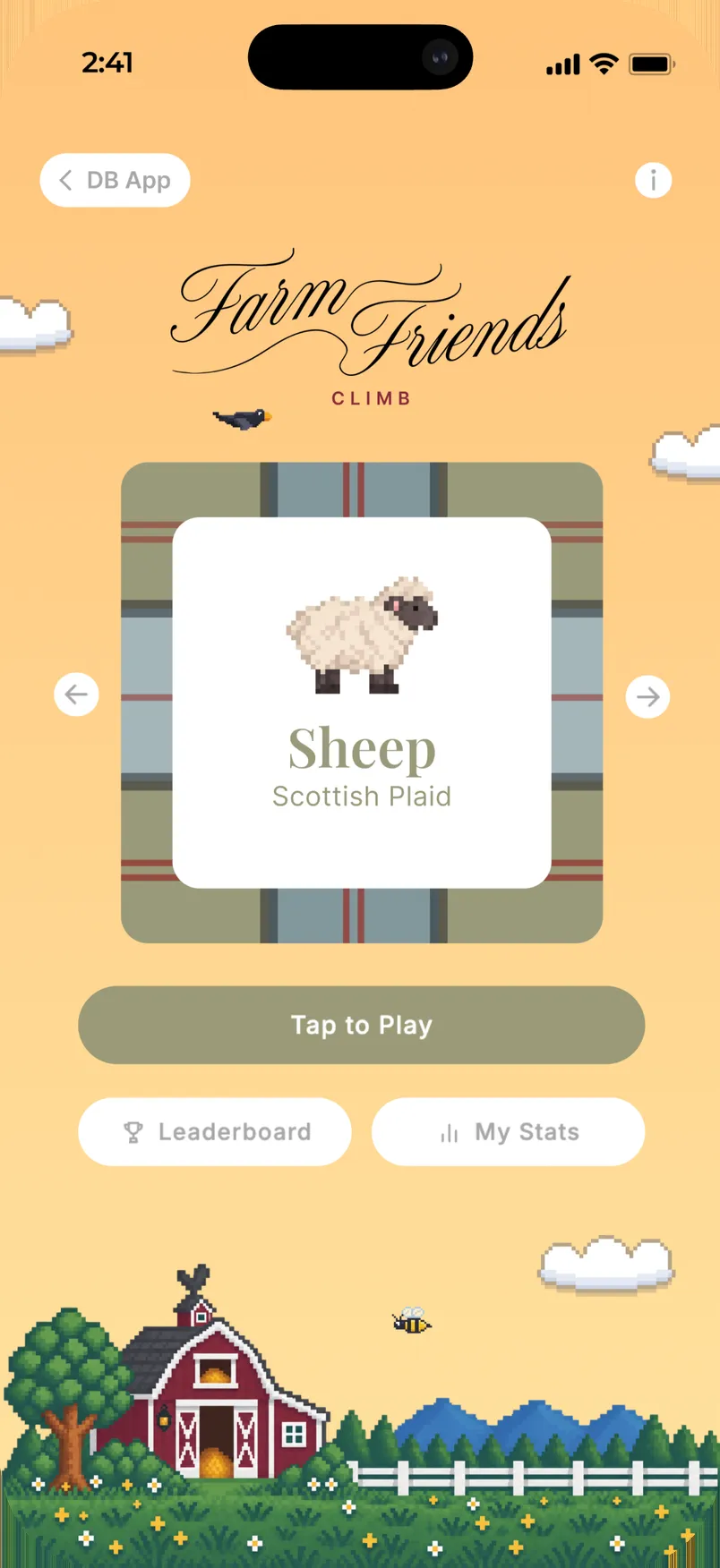
- The home screen felt separate from the game: a plain grey page with buttons, nothing like the sunset climb that came after it.
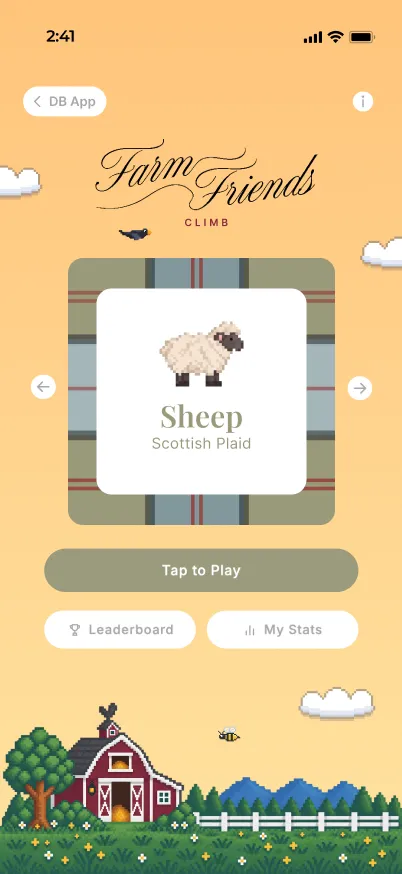
- The change
- I brought the game into the home screen: the sunset sky, pixel clouds, the barn and farm, and a crow and bee flying past, plus a DB App button back to the shop.
What I Learned
Does this get someone to play again, share their score, or want the product?
Game design is marketing design
This project pushed me to think about game design as marketing design: every mechanic, character trait and prize tier had to answer that question, rather than just "is this fun."
Scoping tightly mattered as much as designing well
Choosing a simple, provably reliable mechanic over a more ambitious one, and building iteratively with real-device testing, is what got this from an idea to a working prototype in four weeks.